

Mini trampolines have become a popular choice for kids' entertainment and physical activity. As a supplier of Mini Trampolines For Kids, I often receive questions from parents and retailers about whether these mini trampolines require a special surface to be placed on. In this blog post, I'll delve into this topic and provide some valuable insights.
Understanding the Basics of Mini Trampolines for Kids
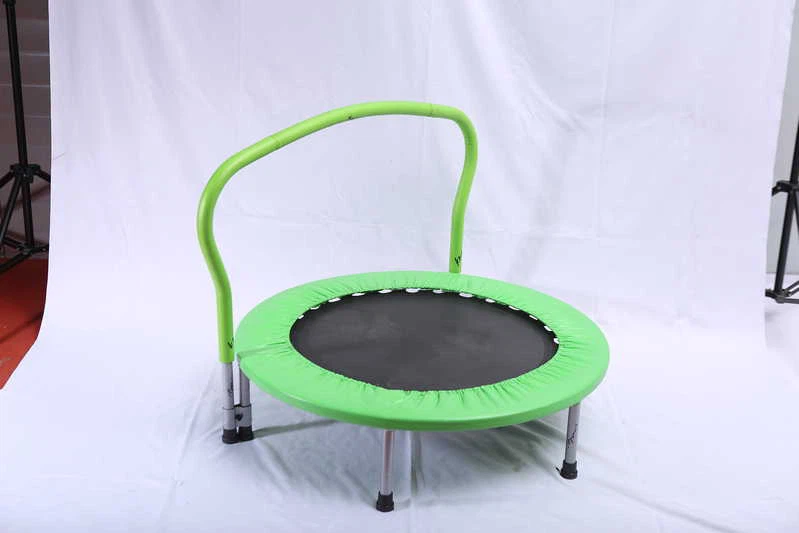
Mini trampolines designed for kids come in various sizes, shapes, and designs. They are typically smaller in scale compared to full - sized trampolines, making them suitable for indoor and outdoor use. These trampolines offer numerous benefits for children, including improved balance, coordination, and cardiovascular health. They also provide a fun way for kids to burn off energy and engage in active play.
Factors Influencing the Surface Requirement
Safety
Safety is the primary concern when it comes to placing a mini trampoline for kids. A proper surface can significantly reduce the risk of injuries. For example, a soft and even surface can absorb the impact when a child lands on the trampoline. If the surface is too hard, such as concrete or asphalt, a fall from the trampoline could result in serious injuries like bruises, fractures, or sprains. On the other hand, a surface that is too uneven can cause the trampoline to wobble, increasing the risk of the child losing their balance and falling off.
Stability
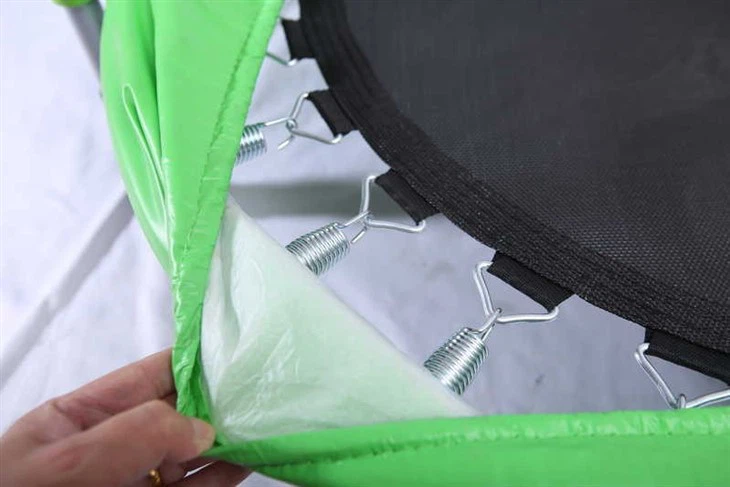
The stability of the mini trampoline is another crucial factor. A flat and stable surface ensures that the trampoline remains in place during use. If the surface is sloped or has bumps, the trampoline may shift or tip over, which can be extremely dangerous for the child. Additionally, a stable surface helps to maintain the integrity of the trampoline's frame and springs, preventing premature wear and tear.
Durability of the Trampoline
The surface on which the mini trampoline is placed can also affect its durability. A rough or abrasive surface can damage the trampoline's mat, frame, or springs over time. For instance, if the trampoline is placed on a gravel surface, the small stones can scratch and tear the mat, reducing its lifespan. Similarly, a surface with sharp edges can cause damage to the frame.
Suitable Surfaces for Mini Trampolines
Indoor Surfaces
- Hardwood Floors: Hardwood floors are a popular choice for indoor mini trampolines. They are generally flat and smooth, providing a stable surface for the trampoline. However, it's important to place a mat or padding under the trampoline to protect the floor from scratches and to add an extra layer of shock absorption. You can find more information about Indoor Trampoline Workout on our website.
- Carpeted Floors: Carpeted floors are also suitable for indoor use. They offer a soft surface that can reduce the impact of jumps. However, make sure the carpet is firmly attached to the floor to prevent the trampoline from sliding.
- Foam Tiles: Foam tiles are an excellent option for creating a dedicated trampoline area indoors. They are soft, provide good shock absorption, and can be easily arranged to fit the size of the trampoline.
Outdoor Surfaces
- Grass: A well - maintained grassy area is a great outdoor surface for a mini trampoline. Grass is soft and provides natural shock absorption. However, make sure the grass is level and free of rocks, sticks, or other debris that could damage the trampoline or cause injuries.
- Patios or Decks: Patios and decks made of wood or composite materials can be used as a surface for the trampoline. Similar to indoor hardwood floors, it's advisable to place a mat or padding under the trampoline to protect the surface and add shock absorption. Check out our Outdoor Trampoline For Kids section for more details.
- Artificial Turf: Artificial turf is a low - maintenance option that provides a flat and even surface. It is also resistant to wear and tear and can withstand the weight of the trampoline and the child.
Surfaces to Avoid
- Concrete and Asphalt: As mentioned earlier, these surfaces are too hard and do not provide any shock absorption. A fall on concrete or asphalt can be very dangerous for a child.
- Gravel and Rocks: Gravel and rocky surfaces are uneven and can damage the trampoline. The sharp edges of the rocks can also cause injuries to the child's feet or legs.
- Uneven Ground: Any surface with significant slopes, bumps, or holes is not suitable for a mini trampoline as it can compromise the stability of the trampoline.
Maintenance and Care Based on the Surface
The surface on which the mini trampoline is placed also affects its maintenance requirements. For example, if the trampoline is placed on a grassy area, it's important to regularly check for signs of mold or mildew, especially in humid climates. If it's on a hard surface, you may need to clean the mat more frequently to remove dust and dirt.
Conclusion
In conclusion, mini trampolines for kids do require a special surface to be placed on for safety, stability, and durability reasons. Whether you choose an indoor or outdoor surface, make sure it is flat, even, and provides adequate shock absorption. By selecting the right surface and taking proper care of the trampoline, you can ensure that your child enjoys a safe and fun bouncing experience.
If you're interested in purchasing high - quality Mini Trampolines For Kids, we're here to assist you. Our range of mini trampolines is designed with safety and fun in mind. Whether you need a Mini Trampoline For Home Use or an outdoor option, we have the perfect solution for you. Contact us to discuss your requirements and start the procurement process. We look forward to serving you and helping your children enjoy the benefits of mini trampolines.
References
- American Academy of Pediatrics. (2016). Trampoline Safety. Pediatrics, 137(3), e20160207.
- Consumer Product Safety Commission. (2020). Trampoline - Related Injuries in the United States. Retrieved from https://www.cpsc.gov/safety - education/safety - topics/outdoor - recreation/trampoline - safety


